
Ayurvedic Morning Skincare Routine for Naturally Glowing Skin
7 steps your grandmother knew — and modern dermatology is finally catching up with. No harsh chemicals, no 12-step confusion. Just skin that truly glows from within.
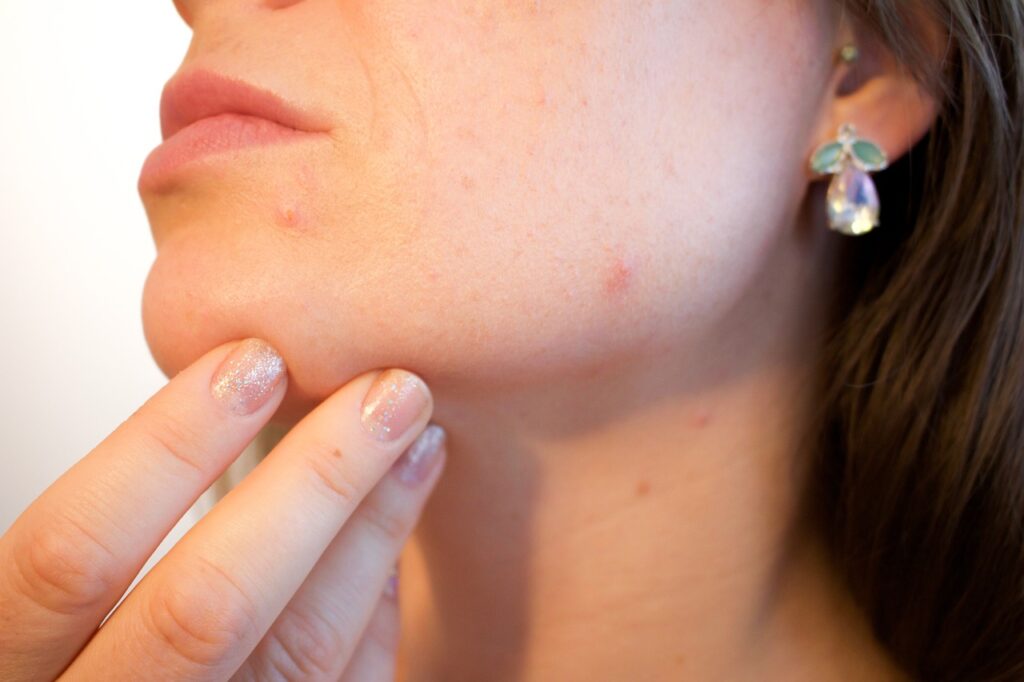
The global skincare industry will happily sell you a 10-step routine with 40 ingredients you can’t pronounce, a serum for every microzone of your face, and a new “revolutionary” product every six months. And yet skin problems — acne, dullness, premature ageing, hyperpigmentation — are more common than ever.
“Ayurveda does not treat the skin. It treats the person. When the body is in balance, the skin reflects it.”
The Ayurvedic approach to skincare is radically different. It starts not with what you put on your face, but with understanding your skin’s unique constitution — your dosha. Once you know whether your skin is Vata, Pitta, or Kapha in nature, every step of your routine becomes precise, purposeful, and effective in a way that generic products never can be.
In this guide, you’ll find the complete Ayurvedic morning skincare routine — 7 steps, customised by skin type, with the science behind every ingredient and honest product recommendations for each step.
First: Know Your Skin Dosha
Before applying a single thing to your face, Ayurveda asks you to know your constitution. Your skin’s dosha determines what it needs — and what will actually harm it if used incorrectly.
- Thin, delicate, dry
- Tends to dehydrate easily
- Ages faster — fine lines early
- Rough, flaky in winter
- Dull without moisture
- Sensitive, reactive, redness-prone
- Combination — oily T-zone
- Prone to acne, breakouts
- Freckles, sun sensitivity
- Glows naturally when balanced
- Thick, oily, congested
- Large pores, blackheads
- Slow to age — youthful longest
- Prone to cystic acne
- Needs stimulation to glow
Not sure which dosha you are? Take our free Dosha Quiz here — it takes 2 minutes and gives you a personalised result.
The Hero Ingredients of Ayurvedic Skincare
The 7-Step Ayurvedic Morning Routine
This routine takes 12–15 minutes. Do it in this exact order — each step prepares the skin for the next. Skip a step only if your skin type doesn’t need it (noted under each step).
Splash with Cold Water — Jala Kriya
Before anything else, splash your face 7–10 times with cold water. In Ayurveda this is called Jala Kriya — water ritual. Cold water tightens pores, stimulates circulation, reduces morning puffiness, and awakens the skin’s natural protective barrier.
The Charaka Samhita specifically recommends washing the face with cold water each morning to “remove toxins accumulated during sleep and brighten the complexion.” Modern dermatology agrees — cold water splash is clinically shown to reduce transepidermal water loss and support the acid mantle.
Cleanse with an Ayurvedic Face Wash
Modern soap is alkaline (pH 9–10) and strips the skin’s acid mantle (pH 4.5–5.5). Ayurvedic cleansers use ingredients like neem, tulsi, chickpea flour (besan), and sandalwood that cleanse without disrupting the skin’s natural pH.
If you prefer a DIY option: mix 2 tablespoons of chickpea flour with enough rose water to form a paste. Massage gently onto damp skin in circular motions for 60 seconds. Rinse with cool water. This is the traditional ubtan cleanser — it removes dead cells, absorbs excess oil, and brightens simultaneously.
Tone with Rose Water or Herbal Mist
Ayurveda’s answer to a toner is pure rose water (gulab jal) — and it’s genuinely better than 90% of commercial toners. Rose water has a pH of 5.0–5.5, which perfectly matches the skin’s acid mantle. It tones, hydrates, reduces redness, and smells extraordinary.
Soak two cotton pads in rose water and press gently all over the face. Alternatively, pour rose water into a small spray bottle and mist your face. Leave it on — don’t rinse. This step prepares the skin to absorb the oil in the next step far more effectively.
Face Massage with Ayurvedic Oil — Abhyanga for the Face
This is the step that changes everything. Abhyanga — oil self-massage — is Ayurveda’s most powerful skincare practice. For the face, 3–5 minutes of gentle upward circular massage with the right oil nourishes the skin at a cellular level, stimulates lymphatic drainage, reduces puffiness, and genuinely prevents premature ageing.
The key is the right oil for your dosha. Warm 3–4 drops between your palms and massage in upward circular motions — never downward (you’re lifting, not pulling). Pay extra attention to the jawline, temples, and the area around the eyes.
🔴 Pitta skin: Coconut oil or Kumkumadi oil — cooling, brightening, anti-inflammatory.
💚 Kapha skin: Jojoba oil or light sunflower oil — non-comedogenic, balancing.
Apply a Light Ayurvedic Serum or Herb Paste (3x a week)
Three times a week, replace or supplement the oil massage with a targeted treatment. This is where you address specific concerns — pigmentation, acne, dullness, or fine lines — using concentrated herbal preparations.
For brightening and anti-ageing: Mix a pinch of sandalwood powder + a few drops of rose water + half a teaspoon of raw honey into a thin paste. Apply for 10 minutes before rinsing. This is the most basic form of the famous lepa (herbal face application) in Ayurveda.
For acne-prone skin: Apply neem paste (neem powder + water) as a spot treatment on active breakouts. Leave overnight or for 20 minutes. Neem’s azadirachtin compound is clinically proven to kill Propionibacterium acnes — the bacteria responsible for acne.
Sun Protection — Ayurvedic and Modern Combined
Traditional Ayurveda used sesame oil (natural SPF ~4) and sandalwood as sun protection — effective in an era of intermittent sun exposure, but insufficient for modern outdoor life. This is one area where Ayurveda and modern science should be combined, not used separately.
Our recommendation: After your oil massage, apply a mineral-based sunscreen (zinc oxide or titanium dioxide) with SPF 30–50. These mineral sunscreens work in harmony with Ayurvedic oils — unlike chemical sunscreens that can react with certain herbal preparations. Apply sunscreen as the final step before going outdoors.
Drink Your Skincare — Warm Water + Herbs
Ayurveda considers this the most important skincare step of all — and it has nothing to do with what you put on your face. Drinking 1–2 glasses of warm water with a squeeze of lemon first thing in the morning flushes overnight toxins (called ama), hydrates the skin from the cellular level, and stimulates the lymphatic system.
For deeper skin benefits, add: ½ tsp of manjistha powder (the Ayurvedic herb most strongly associated with radiant skin — it purifies the blood that feeds skin cells) or a pinch of saffron (expensive but extraordinarily effective for brightening and antioxidant protection).
4 Ayurvedic Face Mask Recipes
Use these once or twice a week as a deeper treatment. Leave on for 15–20 minutes, then rinse with cool water and follow with rose water toning and your oil.
Turmeric Glow Mask
- 1 tsp chickpea flour
- ¼ tsp turmeric powder
- 1 tsp raw honey
- Enough rose water to make a paste
- Best for: dullness, uneven tone
Neem & Sandalwood Mask
- 1 tsp neem powder
- 1 tsp sandalwood powder
- Rose water to form paste
- 1 drop tea tree oil
- Best for: acne, redness, oily skin
Ashwagandha Honey Mask
- 1 tsp ashwagandha powder
- 1 tsp raw honey
- ½ tsp ghee or almond oil
- Few drops warm milk
- Best for: dryness, fine lines, fatigue
Multani Mitti Detox Mask
- 2 tsp Fuller’s earth (multani mitti)
- ½ tsp turmeric
- Rose water + lemon juice
- Optional: 1 drop neem oil
- Best for: oily skin, large pores, blackheads
🛍 Best Ayurvedic Skincare Products on Amazon
Curated for quality, authentic ingredients, and real results across all skin types.
🌙 The Ayurvedic Night Routine
While morning is about protection and preparation, night is when the skin repairs. Here’s the abbreviated evening ritual:
❓ Frequently Asked Questions
Will applying oil to my face cause breakouts?
How long before I see results from an Ayurvedic skincare routine?
Can I use Ayurvedic skincare with my existing modern skincare products?
What is Kumkumadi oil and is it worth the price?
Is turmeric safe to use on skin? Will it stain my face yellow?
Your Skin Has Been Waiting for This
You don’t need 10 products and a PhD in ingredient labels. You need the right oil, the right herb, and the right 15 minutes every morning. That’s the Ayurvedic promise — and it’s been kept for 5,000 years.
🛒 Shop Ayurvedic Skincare on Amazon →[AFFILIATE LINK — Top skincare picks]
“What’s your current skincare struggle — dryness, acne, dullness, or ageing? Tell us your skin type and we’ll recommend the exact Ayurvedic ingredient for you. 👇”